
The Advantages and Disadvantages of Food Preservation for Health
Food preservation or similar to instant food began in prehistoric times and the “first” foods produced by massage and food preservation. Before the invention of salt preservation in the 19th century, salt preservation was common among travelers, sailors, and soldiers. Cooling reduces speed and bacterial load. Cooling to maintain a preservation process has been common for centuries. Nowadays, food preservation uses chemical and high technology, which gives easier the production process but also decreases the mineral and vitamin of that food. This article will inform you about the advantages and disadvantages of canning food. If you want to know more about the effects of preserved food, you can easily find it at https://www.nr-kurier.de/artikel/81907-immer-mehr-menschen-leiden-an-unvertraeglichkeiten-gegenueber-diverser-lebensmittel.
The Benefits
 Instant foods are generally less susceptible to deterioration than food, modern transport, storage, and processing could provide us with a huge variety of foods worldwide. Processing can improve the taste of food, although it can have the opposite effect. The addition of minerals and vitamins can increase the value of food during processing. The nutritional value could be made more reliable and consistent.
Processed foods can also be useful. Families would be relieved of the task of preparing and cooking food in their normal state. The food industry produces everything from peeled potatoes ready to cook to ready meals that only need to be heated in the microwave for a few minutes.
The Disadvantages
 Instant Food is good, but it’s not good to consume every day. In general, it contains a percentage of vitamins, minerals, and natural fibers. Vitamin C is often destroyed by heat, so the fruit cannot contain more vitamin C than sterile fruit. Nutrients are removed to improve taste or shelf life. Some examples are bread, pasta, and prepared foods. The result is calories.
Foods have a percentage of calories to nutrients as food. Although they are low in calories, they are low in calories. Processing can involve risks that are not found in flavored vegetable oils or trans fats and additives and sugars. Preservatives used to extend shelf life can be converted to nitrites in case of poor health. You can check out this video about the bad side of ramen.
…
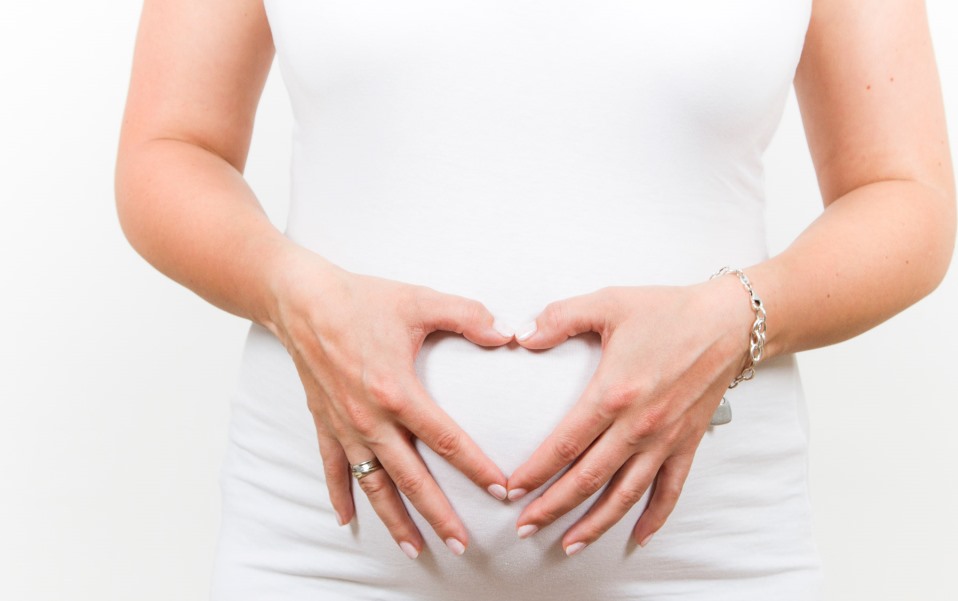
 Additional protein and calcium are needed during pregnancy. Dairy products contain these nutrients in large quantities. It’s, however, important to take note of the protein-rich foods in your maternal diet. White meat is, for example, preferable because they are rich in good cholesterol. Dairy products also contain the right amount the B-vitamins, phosphorous, zinc and magnesium.
 Fish contains cod liver oil as well as the omega-3 fatty acids. These are essential nutritional elements during pregnancy. Both your body and that of the unborn baby needs them for optimum cellular functions. Fish assists with brain development. It triggers formulation and secretion of vital enzymes that the body needs for myriad biological functions.