
Advantages of Wearable Devices to the Healthcare Industry
This modern technology is designed to improve the way patients manage their health and interact with their doctors, but patients aren’t limited to the technology provided by the doctor’s office. E-Health in Action enhances the healthcare system and provider’s care continuity through technology. If you want to know more about it, click this link: https://www.fehap.fr/jcms/nouvelle-aquitaine/journee-esea-2015-la-e-sante-en-action-/-decouvrez-le-pre-programme-et-inscrivez-vous-fehap_180975.
Easy Access
Deciding to invest in a wearable device is often the first step in making a significant difference to your well-being. Think of it as a mini health check when the person syncs their clothes and uploads information to that particular portal.
More Awareness
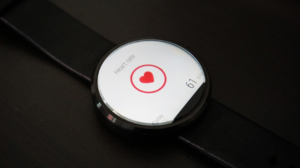 Additionally, these devices provide another level of awareness by tracking daily exercise and diets. Patients could be more vigilant as they monitor their goals, possibly inspiring them to reach their goals and maintain a healthy lifestyle. Whenever these devices are useful for health monitoring, they are more valuable when patients use the devices that best suit their needs. For people looking to lose weight and maintain heart health, Quantify Trackers can be the perfect strategy to help them measure their regular steps to set achievable and practical goals.
Better Assessment
Patients come to us for advice, and the more we know about their daily activities, the better we can assess any issues and recommend the best treatment. When clothing data is uploaded to an EHR, we can remotely monitor patients’ actions to see how educated they are and better understand how these activities might affect their health. If my patient is currently using a system that explicitly monitors blood pressure, I will regularly track this information when I go to work.
Virtual Monitoring
While data from wearable devices is useful for physicians to monitor individual actions outside of the office, it is also valuable during appointments. Having this information at my fingertips allows me to have more in-depth conversations with my patients in real-time. Together, we can set goals to improve their health and decide if treatment goals are needed based on their regular activities.
These devices with my patients, whether they have celiac disease or not. As the company continues to move toward health care, individual involvement is slowly coming to the forefront. When a person is better informed about how their regular tasks affect their health, they are more likely to make changes that lead to better decisions. Clothing is a tool that provides valuable advice to both patients and providers that can lead to further improvements.…